
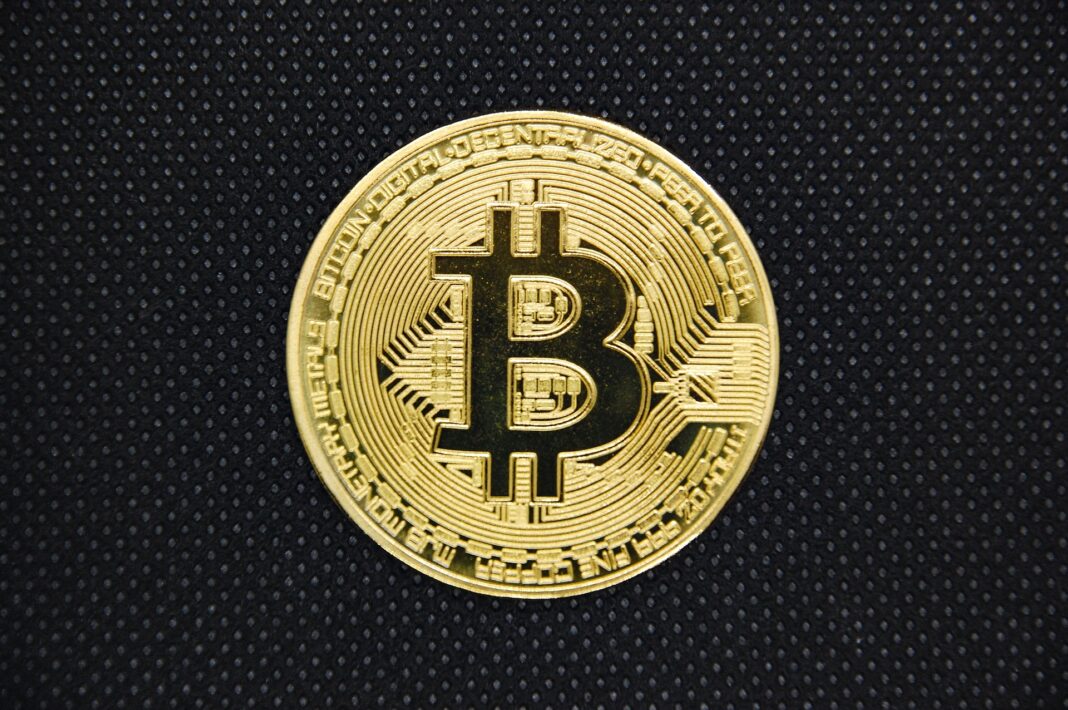

(ICWWM – The City, February 2026) — It began as a series of hushed pilot programmes in early 2024. Today, in February 2026, it is the law of the land. The Bank of England has officially green-lit the first nationwide retail pilot for the Digital Sterling (colloquially known as ‘Britcoin’), marking a decisive shift in British monetary policy. This transition is not merely a digital upgrade; it is a fundamental re-imagining of how the British economy functions.
A Multi-Currency Integration
The move is not just about replacing paper notes with pixels on a screen. The Digital Sterling is built on a private-permissioned blockchain, allowing for “smart contracts” to be embedded directly into the currency. This means businesses in the City can automate tax payments, royalty distributions, and supply-chain settlements instantly, without the need for traditional intermediary clearing houses.
“We are not merely digitising the pound; we are giving it a brain,” says Sir Marcus Thorne, a senior consultant at the Financial Conduct Authority (FCA). “This technology allows for real-time settlements that will save the UK economy billions in transaction fees every year.”
The Privacy Debate: Surveillance or Security?
The rollout has not been without fierce opposition. Privacy advocates have raised the alarm over the “programmable” nature of the currency. Theoretically, the central authority could set expiration dates on stimulus funds or restrict the purchase of specific goods.
“The level of surveillance possible with a CBDC (Central Bank Digital Currency) is unprecedented,” warns Helena Vane of Digital Rights Watch. “Every single transaction, from a pack of gum in a local newsagent to a multi-million-pound property deal in Mayfair, is now potentially visible to the Treasury. We must ensure that privacy remains a fundamental right, not a technical luxury.”
Global Repercussions
With London being the first major Western financial hub to go fully digital, Wall Street and the European Central Bank are observing with a mixture of envy and caution. The “London Model” of 2026 is seen as a test case for whether a global reserve currency can maintain its status in a purely digital form. Retailers have already begun phasing out cash-handling infrastructure, and it is estimated that by the end of December, 90% of London businesses will be “Digital Only.”
Sources: The digital pound: A new form of money for households and businesses?